
The Best Treatments for Varicose Veins
Varicose veins are a condition that frequently affects the veins of the lower extremities, particularly the legs, due to factors associated with the sedentary lifestyle of modern life, jobs that require long periods of standing, pregnancy, or genetic factors. In varicose veins, the valve system that prevents blood from flowing backward is damaged, making it difficult for blood to return to the heart.
This condition, which can also vary in severity, causes a series of symptoms such as the following:
- Heaviness in the legs
- Pain in the affected areas
- Burning sensation
- Itching near the affected veins
- Leg cramps
- Bulging veins
What are the treatments for varicose veins?
There is no single type of treatment. On the contrary, there are various treatments that must be applied according to each patient’s condition. Therefore, it is important for people affected by varicose veins to consult a specialist physician, who in Peru is a Cardiovascular Surgeon.
Treatments for Superficial Varicose Veins
This type of superficial varicose veins, known as telangiectasias, spider veins, or reticular veins, is generally an aesthetic concern. Although they may cause mild discomfort such as heaviness or cramps, they do not pose major risks. Therefore, it is important for the patient to follow the doctor’s recommendations to prevent the condition from becoming more severe and undergo the following treatments:
1. Sclerotherapy
This is one of the oldest and best-known techniques for treating spider veins. It must be performed by an accredited Cardiovascular Surgeon. The healthcare professional injects a sclerosing solution directly into the affected vein with the purpose of closing the vein and redirecting blood flow through other venous channels.
2. CLaCS (Cryo-Laser & Cryo-Sclerotherapy)
This is an innovative treatment that combines transdermal laser applied to the affected veins followed by cold injections as part of cryo-sclerotherapy. This treatment has demonstrated greater effectiveness in treating spider veins and achieving better aesthetic results. However, it is less common to find professionals who perform this treatment because its application requires the use of high-end laser equipment together with cryogenic systems capable of reaching the temperatures necessary to achieve the expected results.
3. Transdermal Laser
This treatment uses a laser to cauterize small veins, preventing blood flow through these vessels. The heat generated by the laser selectively destroys the small visible veins.
It should be noted that the procedures mentioned above should only be performed on patients with superficial varicose veins who have not been diagnosed with venous insufficiency.
Treatments for Varicose Veins with Venous Insufficiency
1. Severe Varicose Veins
There are cases in which dilated veins appear as cord-like structures, and the patient experiences greater pain and discomfort than with telangiectasias. In these cases, the affected person may be suffering from varicose veins with venous insufficiency. This is a serious condition because failing to treat the affected veins can lead to further complications, a visibly more damaged leg, and eventually loss of mobility. For these cases, the most recommended treatments are:
1. Endovenous Laser or Radiofrequency Ablation
This is a minimally invasive procedure that uses heat to close varicose veins from the inside. Ablation can be performed using radiofrequency or laser; in both cases, a catheter is inserted to cauterize the affected veins.
It is very important to highlight that this treatment for varicose veins is highly effective, achieving a 95% effectiveness rate with low risks. It is therefore recommended in American, European, and Latin American clinical guidelines as the number one recommended treatment for varicose veins with venous insufficiency.
It also offers certain benefits, such as:
- Patients can walk out of the procedure and experience a rapid recovery
- It does not require spinal anesthesia
- No incisions are made, only punctures
2. Ambulatory Phlebectomy
This is the surgical removal of affected varicose veins through small incisions. Unlike thermal ablation, this treatment involves physically removing the affected veins, resulting in a higher risk and longer recovery for the patient.
For many years, before the introduction of endovenous ablation, it was one of the most popular treatments for addressing varicose veins.
Healing of Varicose Ulcers
Varicose ulcers must be treated by addressing their underlying cause, which is usually venous insufficiency. Once venous insufficiency has been treated and venous blood flow from the lower extremities to the heart has been restored, pressure in the lower leg decreases, allowing the wound to heal successfully and close.
Other Recommendations for Successful Treatment
In addition to the recommended treatments, it is important to follow these suggestions to achieve a successful recovery:
- See a varicose vein specialist: Not all doctors have the experience, knowledge, and equipment necessary to treat varicose veins. Look for the appropriate specialist. In Peru, this is a Cardiovascular Surgeon, while in other Latin American countries, it is a Vascular Surgeon.
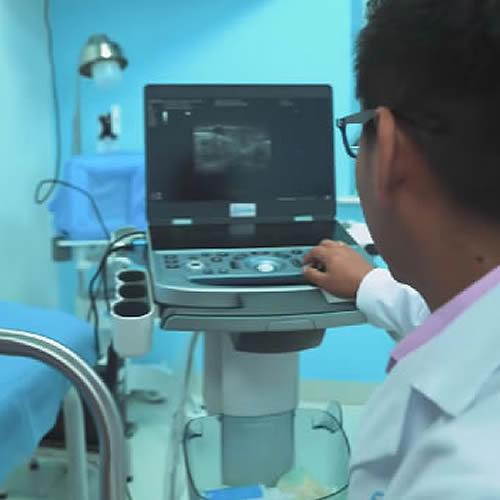
- Request an evaluation with a Doppler ultrasound: A doctor cannot determine the condition of the veins through a superficial examination alone. Therefore, it is important to undergo an evaluation using Doppler ultrasound equipment, which provides an accurate assessment of vein size, identifies abnormal values, and precisely locates affected veins.
- Review your medical history: Provide your doctor with accurate information about your medical history so that they can create a precise medical record and identify your risk factors.
If you are looking for more information about treatments for varicose veins, visit us and find accurate information on our website: Cardiovascular Surgeon.