
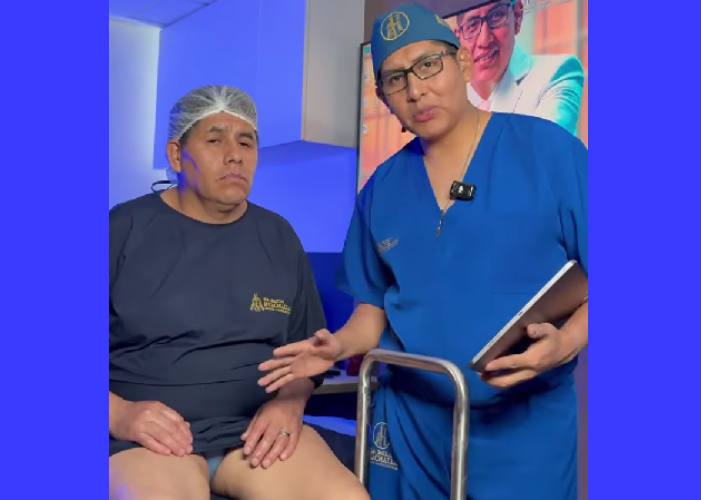
Chemical Ablation or Thermal Laser Ablation: Which Treatment Is Better?
In the search for effective treatments for varicose veins, vascular medicine offers modern, minimally invasive methods that allow this condition to be treated safely.
Among the most commonly used methods are chemical ablation and thermal laser ablation. However, not all patients are candidates for the same procedure, and choosing the appropriate treatment depends on a specialized medical evaluation.
What is Chemical Ablation?
Chemical ablation is a treatment performed by injecting sclerosing medications into the affected veins. These substances cause the gradual closure of the diseased vessel, allowing blood to be redirected to healthy veins.
This procedure is usually indicated for small varicose veins, telangiectasias, or superficial veins, and in some cases it may require multiple sessions to achieve optimal results. Its effectiveness depends on the type of vein treated, its diameter, and the severity of venous insufficiency.
What is Thermal Laser Ablation?
Thermal laser ablation is a minimally invasive procedure that involves closing the diseased vein through the controlled application of heat from inside the vessel. This technique treats the underlying cause of venous insufficiency, especially when larger veins such as the saphenous vein are involved.
According to international clinical guidelines, thermal laser ablation is currently the most effective procedure for the treatment of venous insufficiency. In addition, it offers important benefits such as less postoperative pain, faster recovery, and an earlier return to daily activities.
Main Differences Between Chemical Ablation and Thermal Ablation
Both procedures are effective but have different indications:
Chemical ablation is generally used for small, superficial veins, while thermal laser ablation is indicated for more advanced venous insufficiency or when larger-diameter veins are affected.
Chemical ablation may require multiple sessions, whereas thermal laser ablation is usually performed in a single procedure, with more durable results when properly indicated.
Why Don’t All Patients Receive the Same Treatment?
The choice between chemical ablation and thermal ablation is neither random nor arbitrary. The cardiovascular surgeon bases this decision on a detailed medical evaluation that considers multiple factors, including:
- The location of the venous insufficiency
- The diameter of the affected vessels
- The stage and severity of the disease
- The individual characteristics of each patient
Every case is different, so a treatment that is effective for one patient may not be the most appropriate for another.
Venous Doppler Ultrasound Evaluation
Before indicating any treatment, it is essential to perform a comprehensive vascular evaluation, which includes a Color Duplex Venous Doppler Ultrasound. This study allows the precise identification of the origin of venous insufficiency, assessment of vein condition, and definition of the safest and most effective therapeutic strategy.
Indicating treatment without an adequate evaluation may lead to incomplete results or the early recurrence of varicose veins.
As you can see, there is no single varicose vein treatment that applies to all cases. Although thermal laser ablation is the most effective procedure for venous insufficiency according to international clinical guidelines, treatment selection must always be individualized. Only a specialized medical evaluation can determine the safest and most effective technique for each patient.
If you are in Peru, we invite you to visit the Vascular Center of Dr. Paulo Huachalla, a varicose vein specialist considered by many patients and colleagues to be the best vascular surgeon in Peru. Contact us today, we are at your service.