
What is thrombosis and how is it treated?
Thrombosis affects blood circulation and, if not diagnosed and treated in time, can lead to serious health complications. In Peru, the appropriate specialist to evaluate and treat this type of circulatory problem is a cardiovascular surgeon, who has the necessary training to diagnose vascular diseases and apply the appropriate treatments.
If you are looking for professional medical guidance, you can consult with a cardiovascular surgeon specialized in diseases of the veins and arteries.
Definition of thrombosis
Thrombosis occurs when a blood clot (thrombus) forms inside a vein or artery, making it difficult or blocking the normal flow of blood. This problem can occur in different parts of the body, although it is more common in the legs.
When the clot forms in a deep vein in the legs, it is called deep vein thrombosis (DVT). This type of thrombosis requires specialized medical attention, as it can lead to complications such as pulmonary embolism.
In many cases, thrombosis is related to circulation problems such as varicose veins. Therefore, visiting a varicose vein specialist allows early detection of alterations in the venous system and helps prevent major complications.
Risks of thrombosis
There are several factors that can increase the risk of developing thrombosis. Some of the most common include:
- Sedentary lifestyle or remaining seated for long periods.
- Family history of vascular diseases.
- Presence of varicose veins.
- Obesity.
- Recent surgeries or injuries.
- Use of certain hormonal medications.
- Clotting disorders.
People with varicose veins or circulatory problems should seek medical evaluation, as there are various varicose vein treatments that can help improve circulation and reduce the risk of thrombosis.
Treatments for thrombosis
The treatment of thrombosis depends on the location of the clot, the severity of the case, and the patient’s overall health. A cardiovascular surgery specialist will evaluate each case to determine the best therapeutic option.
Anticoagulant medications
Anticoagulants help prevent the clot from growing and reduce the risk of new clots forming.
Medical procedures
In some cases, procedures may be required to remove or dissolve the clot, especially when there is a risk of serious complications.
Treatment of associated venous diseases
When thrombosis is related to venous insufficiency or varicose veins, the specialist may recommend a treatment for varicose veins in the legs that improves circulation and reduces the risk of new clots.
To receive a professional evaluation, it is recommended to consult with the best cardiovascular surgeon in Lima, who can determine the most appropriate treatment for each case.
What to avoid if there is a risk of thrombosis
People at risk of thrombosis should take certain preventive measures to protect their vascular health:
- Avoid remaining seated or immobile for many hours.
- Do not self-medicate with anticoagulants.
- Maintain a healthy body weight.
- Avoid smoking.
- Wear compression stockings if recommended by a doctor.
- Attend regular medical check-ups.
Consult with Dr. Paulo Huachalla
If you experience symptoms such as leg pain, swelling, changes in skin color, or the presence of varicose veins, it is important to seek evaluation from a cardiovascular surgery specialist.
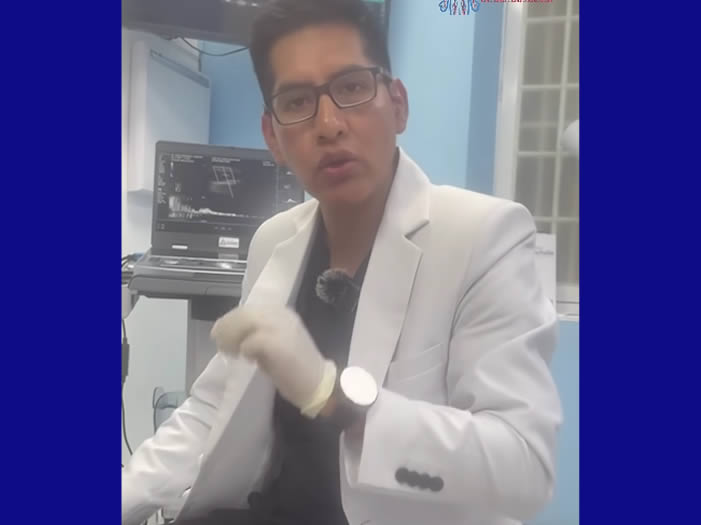
Dr. Paulo Huachalla is a Peruvian physician specialized in vascular diseases and varicose veins, recognized for his experience in treating circulatory problems. If you would like to learn more about available procedures, you can find out about the cost of varicose vein surgery and the most suitable treatment options for each patient.
Consulting with a specialist allows for timely diagnosis and access to modern treatments that help improve circulation and prevent complications associated with thrombosis.